PlayStation: Sony's Gaming Revolution

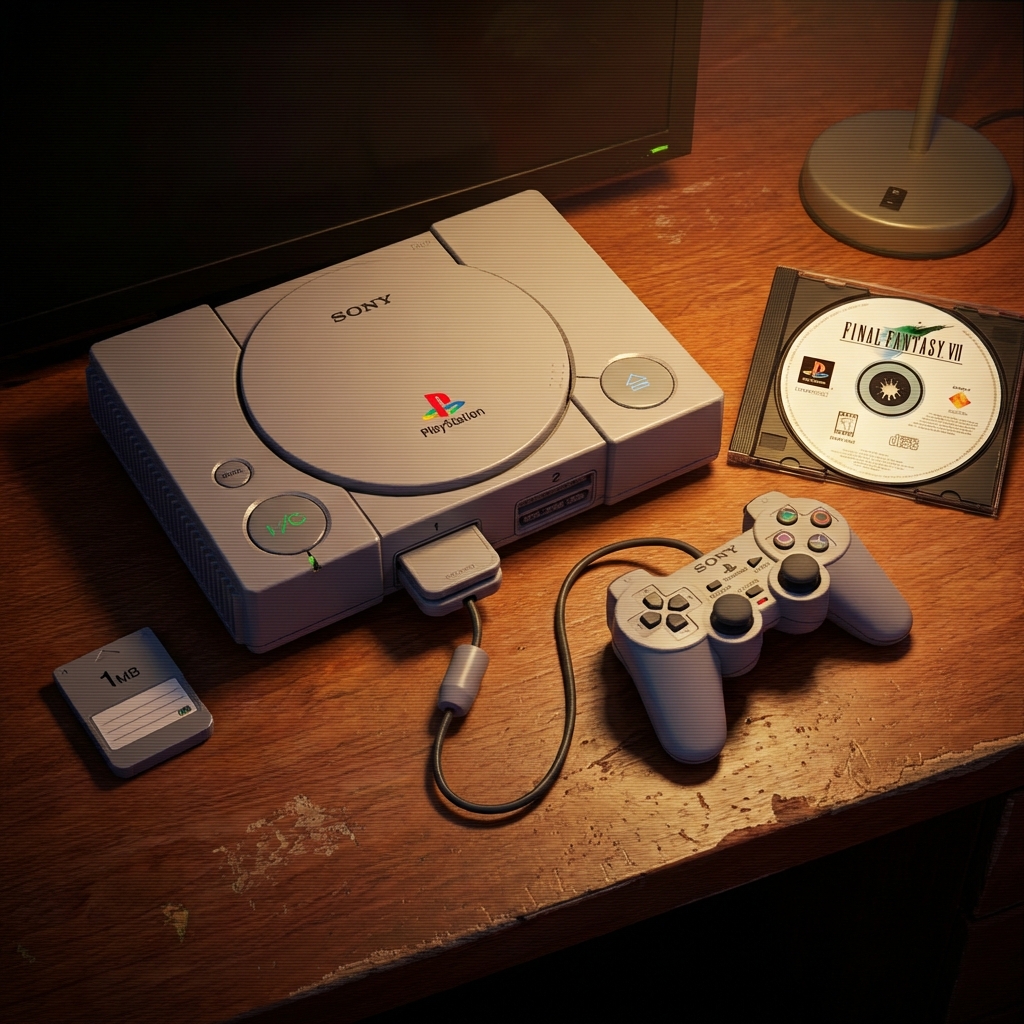
The Electronics Giant That Changed Gaming Forever
When Sony, a company known for Walkmans and TVs, announced they were entering the gaming market in 1994, industry veterans laughed. Nintendo and Sega dominated. Who did Sony think they were?
Five years later, the PlayStation had sold over 100 million units, dethroned Nintendo, and fundamentally changed what video games could be. This wasn't just a new console—it was a cultural revolution that made gaming mainstream, mature, and essential.
Historical Context: From Partnership to Rivalry
The Nintendo Betrayal (1988-1993): Origin Story
Sony and Nintendo partnered in 1988 to create a CD-ROM add-on for the Super Nintendo. Sony engineer Ken Kutaragi led development of the "PlayStation" (note the name).
At the 1991 CES, Sony announced the partnership. The next day, Nintendo publicly announced they were partnering with Philips instead, humiliating Sony in front of the industry. This betrayal was personal.
Sony CEO Norio Ohga was furious. Against internal opposition, he greenlit Kutaragi's plan: Sony would build their own console and crush Nintendo. The "PlayStation project" became Sony Computer Entertainment.
The Launch Era (1994-1998): Revolution
The PlayStation launched in Japan on December 3, 1994 at ¥39,800. It sold out immediately—100,000 units in one day. North America followed on September 9, 1995 at $299. Europe got it in September 1996.
Sony's strategy was brilliant:
- CD-ROMs were cheap to produce vs. Nintendo's cartridges
- 3D graphics were the future (Nintendo stuck with 2D sprites initially)
- Developer-friendly architecture attracted third parties
- Adult marketing targeted 18-34-year-olds, not kids
By 1997, PlayStation dominated. Final Fantasy VII was the killer app—it was meant for Nintendo 64 but went PlayStation exclusive. Nintendo's refusal to use CDs backfired catastrophically.
Total Dominance (1998-2006): 102 Million Sold
The PlayStation sold 102.49 million units, the first console to break 100 million. It outsold N64 (33 million) and Sega Saturn (9 million) combined. Sony won the generation completely.
By 2000, "PlayStation" was synonymous with gaming. It wasn't a "kids' toy"—it was a essential home entertainment device for adults.
🎮 Technical Specifications: The 3D Pioneer
Power Under the Hood
- CPU: 32-bit RISC @ 33.87 MHz
- GPU: Custom 3D graphics processor
- RAM: 2 MB main, 1 MB video
- Media: CD-ROM (650-700 MB vs. N64's 64 MB cartridges)
- Storage: Memory Card saves (iconic)
- Controllers: Digital Pad, then DualShock with analog sticks + vibration (1997)
Why CDs Mattered
CD capacity allowed full-motion video, voice acting, orchestral soundtracks, and massive game worlds. Final Fantasy VII came on 3 CDs. On an N64 cartridge? Impossible.
CDs cost pennies to manufacture vs. $30+ for cartridges. This meant cheaper games, more experimental titles, and higher developer profits.
🎮 The Games That Defined Playstation
The System Sellers
- Final Fantasy VII (1997): 9.8 million copies. The RPG that proved games could be cinematic, emotional, epic. Aerith's death scene made players cry.
- Crash Bandicoot (1996): Sony's answer to Mario. Sold 6.8 million copies.
- Gran Turismo (1997): 10.85 million copies. "The Real Driving Simulator" made racing games serious.
- Metal Gear Solid (1998): Hideo Kojima's stealth masterpiece. Voice acting, cinematography, philosophy. Games as art.
- Tony Hawk's Pro Skater 2 (2000): Perfect arcade skateboarding with an iconic soundtrack.
- Resident Evil (1996): Survival horror's defining moment. "You were almost a Jill sandwich!"
- Tomb Raider (1996): Lara Croft became a cultural icon, 7.5 million copies sold
- Tekken 3 (1998): The fighting game that showed PlayStation could do arcades
The Deep Library
PlayStation had over 1,300 games in North America alone. Every genre thrived—JRPGs (Final Fantasy, Chrono Cross), horror (Silent Hill), action (Devil May Cry), platformers, fighters, racers.
🎵 The Sound of PlayStation
CD Audio Quality
For the first time, games had CD-quality Red Book audio. WipEout (1995) featured licensed techno tracks from The Prodigy and The Chemical Brothers. You could put the game disc in a CD player and listen to the soundtrack.
Composers like Nobuo Uematsu (Final Fantasy), Akira Yamaoka (Silent Hill), and Keiichi Suzuki created orchestral scores rivaling film.
🌟 The Cultural Impact
"Do Not Underestimate the Power of PlayStation"
Sony's marketing was genius. Campaigns like "Enos Lives" and "Mental Wealth" were abstract, mysterious, and adult. PlayStation commercials aired during prime time TV, not Saturday morning cartoons.
They sponsored nightclubs. They advertised in lifestyle magazines. They made gaming cool for 20-somethings.
The PlayStation Generation
PlayStation created the "mature gamer" market. Games tackled complex themes—war (Metal Gear), grief (Final Fantasy), horror (Resident Evil). The industry grew up.
🔗 Resources & Where to Learn More
Essential Links
- Official PlayStation History - Company timeline
- PSX DataCenter - Complete game database
- IGN PlayStation Wiki - Game guides and history
- Internet Archive - PlayStation Collection
- Strong Museum - PlayStation Exhibit
- Eurogamer - PlayStation Coverage
✨ Experience PlayStation Today
1. PlayStation Plus Premium
Sony's subscription service includes PlayStation Classic games playable on PS4/PS5 with trophy support and save states.
2. PlayStation Classic Mini
Released in 2018, this HDMI mini console includes 20 pre-loaded games (though the selection was criticized). Still available second-hand.
3. Original Hardware
PS1 consoles are cheap (£20-40) and plentiful. Region unlocking is easy. PSOne (2000 redesign) is more reliable. Modchips or FreePSD allow backup playing.
4. Emulation
DuckStation is the best PS1 emulator—enhanced graphics, save states, fast-forward. Legal if you own the games.
5. Join PlayStation Communities
Visit our Groups page for PlayStation collecting clubs, retro gaming groups, and JRPG fan communities.
6. Attend Events
Check Events for PlayStation-themed retro nights, speedrunning marathons, and gaming conventions with PS1 tournaments.
7. Visit Gaming Venues
Explore Places featuring gaming bars with PS1 setups, museums with consoles on display, and retro gaming cafes.
Why PlayStation Still Matters
The original PlayStation proved that an outsider could revolutionize an industry. Sony had no gaming pedigree, but they had vision, resources, and the willingness to take risks.
The PlayStation made gaming mainstream. It attracted non-gamers with titles like SingStar and Buzz!. It made adults proud to own a console. It changed demographics permanently.
In 2024-2026, Sony remains dominant. The PlayStation 5 continues the legacy. PlayStation exclusives win Game of the Year awards. The brand Sony built in 1994 is worth billions.
The original grey box started it all. Its library remains incredible. Its design is iconic. And its impact on gaming culture is immeasurable.
Ready to experience PlayStation's golden age? From nostalgic replays to discovering classics for the first time, the PS1 library welcomes you. Join the community and see why this console changed everything.
Julian Cross
An expert contributor to the Social for Life community, sharing insights on lifestyle and beyond.