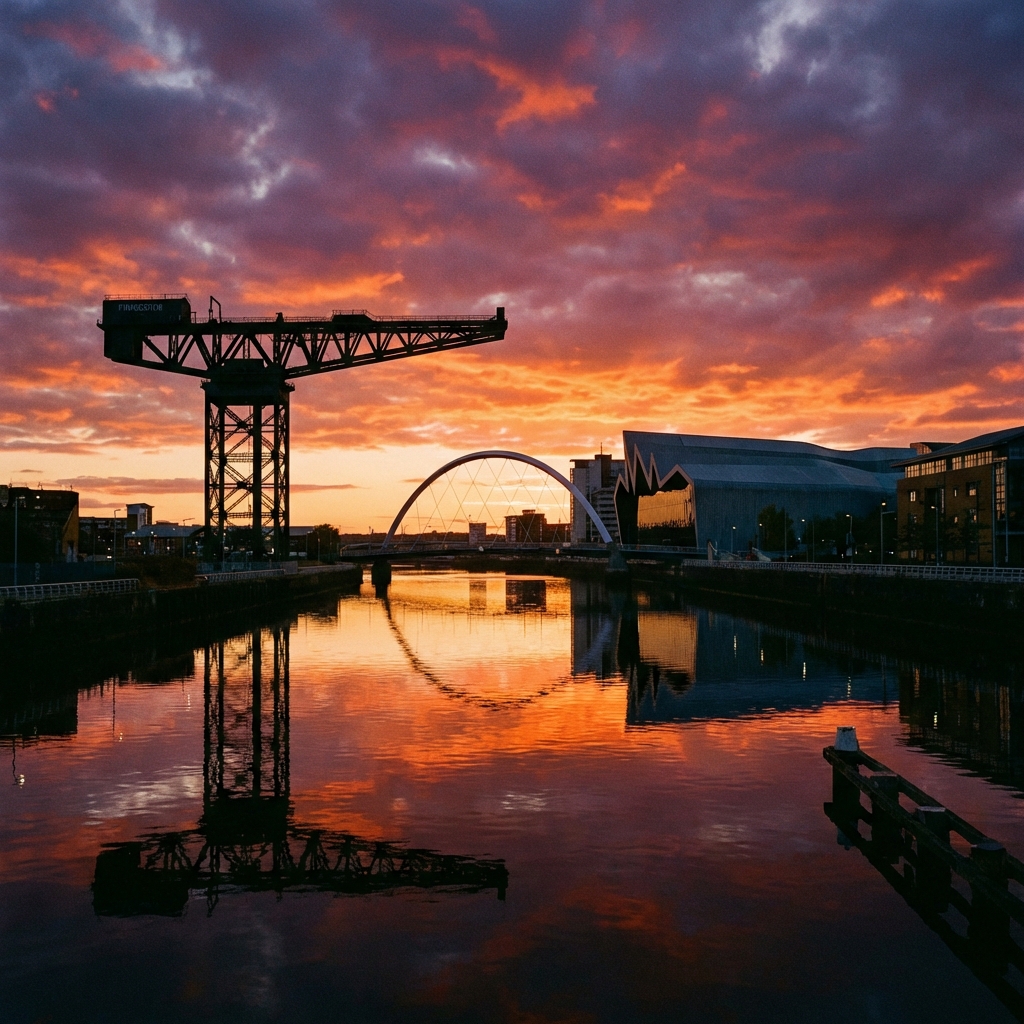
Gloucester: Docks, Cathedral, and Harry Potter

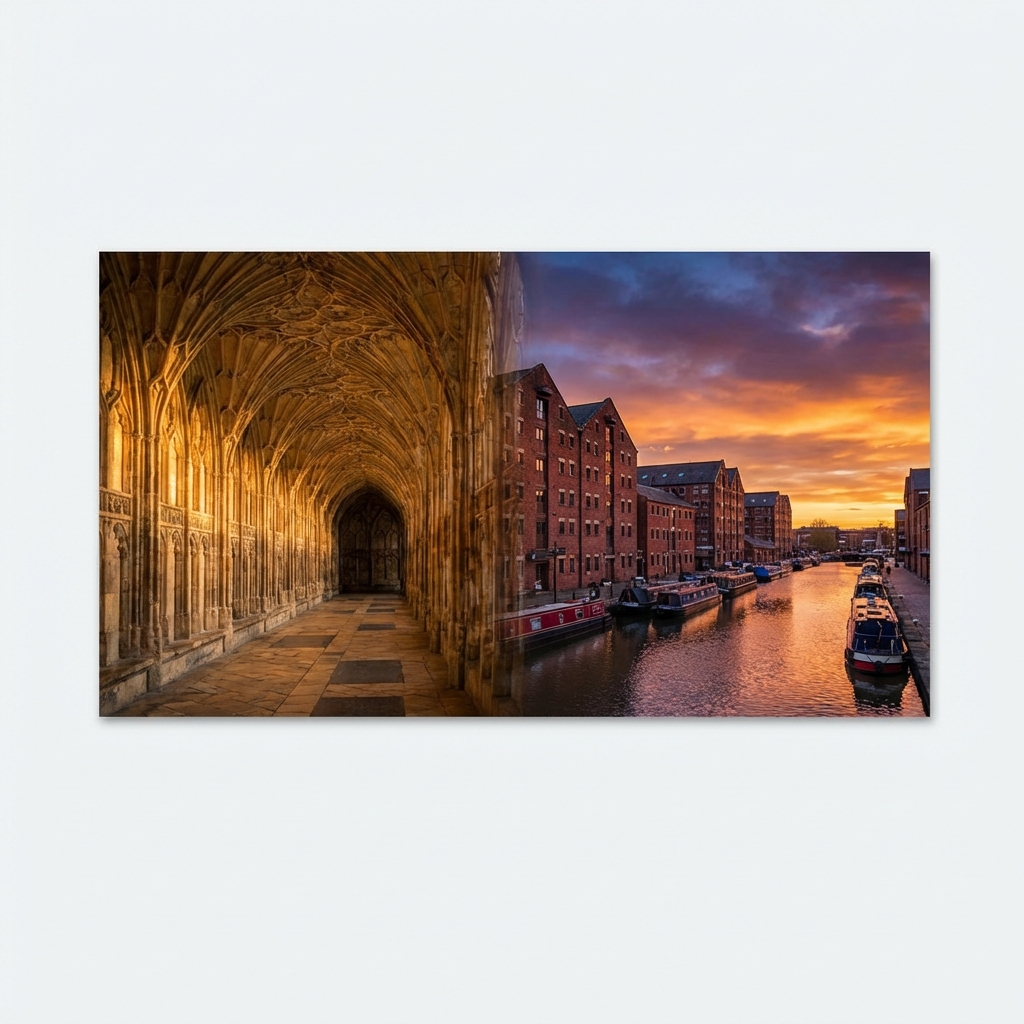
From Roman Fort to Film Set: Gloucester's Remarkable Evolution
Gloucester's story spans two millennia—from Roman legionary fortress (Glevum, founded AD 97) to medieval wool trade hub, Victorian industrial port, and now a thriving heritage destination. The city's transformation is visible in its architecture: Roman walls still stand alongside Norman cathedral stonework, Victorian warehouses, and modern waterfront developments.
What makes Gloucester special isn't just its history—it's how that history has been preserved and reimagined. Victorian docks that once shipped grain to London now house museums and restaurants. A 900-year-old cathedral that witnessed coronations and burials now welcomes Harry Potter fans from across the globe. Gloucester proves that heritage and modernity can coexist beautifully.
Gloucester Docks: Victorian Engineering Reborn
The Industrial Heritage
Gloucester Docks opened in 1827 as Britain's most inland port, connected to the River Severn via the Gloucester and Sharpness Canal. At its peak in the 1880s, the docks handled over 600,000 tons of cargo annually—grain from the Americas, timber from Scandinavia, and coal from South Wales. The 15 Victorian warehouses, built between 1827 and 1890, stored goods bound for the Midlands and beyond.
By the 1980s, containerization and road transport had killed the docks' commercial viability. The last cargo ship departed in 1989, leaving 16 acres of derelict warehouses and empty basins. What could have been demolished became, instead, one of Britain's most successful heritage regeneration projects.
The Transformation
Today, Gloucester Docks is a vibrant waterfront quarter blending history with modern life:
- Llanthony Warehouse (1873): Now houses antique shops, independent retailers, and the Gloucester Antiques Centre—one of Britain's largest, with over 100 dealers
- Mariners Church: Converted into a climbing centre and cafe
- Pillar & Lucy Warehouse: Restaurants, bars, and apartments
- The Docks themselves: Restored basins now host narrowboats, kayakers, and the annual Tall Ships Festival
The regeneration preserved the industrial character—exposed brickwork, cast-iron columns, and original timber beams—while creating spaces people actually want to visit. It's heritage done right: respectful but not stuffy, historic but not frozen in time.
National Waterways Museum
Housed in the spectacular Llanthony Warehouse, this museum tells the story of Britain's 2,000-mile canal network. Interactive exhibits include:
- Historic boats: Step aboard narrowboats, tugs, and dredgers
- Working lock: See how canal locks function
- Blacksmith's forge: Live demonstrations of traditional boat repair
- Children's activities: Dress up as Victorian lock-keepers, steer a virtual narrowboat
Admission: £9.50 adults, £7.50 concessions, £5 children (under-5s free)
Open: Daily 10am-5pm (last entry 4pm)
Gloucester Quays Outlet
For those who prefer shopping to history, Gloucester Quays Designer Outlet occupies converted warehouses with 90+ stores offering discounts on major brands. The juxtaposition of Victorian architecture and modern retail is striking—you're buying Nike trainers in a building that once stored American grain.
Gloucester Cathedral: 900 Years of History
Norman Foundations, Gothic Glory
Founded as a Benedictine abbey in 1089, Gloucester Cathedral is one of Britain's finest examples of Norman and Gothic architecture. The nave, with its massive cylindrical pillars, dates from 1089-1120 and showcases pure Norman Romanesque style. But it's the 14th-century additions that truly dazzle.
After King Edward II was murdered at Berkeley Castle in 1327, his body was refused burial elsewhere (he was deeply unpopular). Gloucester Abbey accepted him, and his tomb became a pilgrimage site. The resulting wealth funded spectacular rebuilding:
- The Cloisters (1351-1412): The earliest and finest example of fan vaulting in England—a stone ceiling that looks like frozen lace
- The Great East Window (1350s): At 72 feet tall, it's the size of a tennis court and Britain's largest medieval stained glass window
- The Tower (1450): 225 feet tall, visible for miles, with 269 steps to the top
Royal Connections
Gloucester Cathedral witnessed pivotal moments in English history:
- 1216: Henry III crowned here aged 9 (Westminster Abbey was occupied by French forces)
- 1327: Edward II buried here after his murder
- 1555: Bishop John Hooper burned at the stake outside for refusing to renounce Protestantism
- 1643: Survived a Royalist siege during the English Civil War
The Three Choirs Festival
Since 1715, Gloucester Cathedral has hosted the Three Choirs Festival—Europe's oldest music festival. Every third year, the festival rotates between Gloucester, Hereford, and Worcester cathedrals, bringing world-class choral music to the West Country. The 2026 festival runs August 1-8, featuring premieres, masterclasses, and performances in the cathedral's extraordinary acoustics.
Tickets: 3choirs.org (book early—events sell out)
Visiting the Cathedral
Admission: Free (£5 suggested donation)
Tower Tours: £8 adults, £5 children (advance booking recommended)
Open: Daily 7:30am-6pm (services may restrict access)
Guided Tours: Monday-Saturday 10:30am, 12:30pm, 2:30pm (£5)
Harry Potter and Film Tourism
Hogwarts Comes to Gloucester
In 2001, Gloucester Cathedral's cloisters were transformed into Hogwarts corridors for Harry Potter and the Philosopher's Stone. The fan-vaulted ceiling, stone floors, and medieval atmosphere proved perfect for the wizarding school. The cathedral appeared in three Potter films:
- Philosopher's Stone (2001): Cloisters as Hogwarts corridors, where Harry discovers he's a Parselmouth
- Chamber of Secrets (2002): The "blood on the walls" scene was filmed here
- Half-Blood Prince (2009): Cloisters appear in multiple scenes
The Potter Effect
Film tourism transformed Gloucester Cathedral's visitor numbers. Before 2001, annual visitors numbered around 150,000. By 2023, that figure had risen to 350,000—with surveys showing 40% came specifically because of Harry Potter.
The cathedral embraces this, offering:
- Self-guided Potter tours: Free trail map identifying filming locations
- Guided Potter tours: £12 adults, £8 children (Saturdays 2pm, book ahead)
- Potter-themed events: Occasional evening tours, costume days, and themed services
It's a masterclass in heritage marketing—using pop culture to introduce new audiences to medieval architecture. Many visitors arrive for Harry Potter but leave fascinated by Edward II, fan vaulting, and the Three Choirs Festival.
Other Film Appearances
Gloucester Cathedral's cinematic resume extends beyond Potter:
- Doctor Who (2008): "The Fires of Pompeii" episode
- Sherlock (2012): "The Reichenbach Fall"
- The Hollow Crown (2012): BBC's Shakespeare adaptations
- Wolf Hall (2015): BBC's Tudor drama
Medieval Gloucester: Beyond the Cathedral
Historic Streets and Buildings
College Court: A hidden medieval street behind the cathedral, with timber-framed houses dating from the 15th century. Now home to the Cathedral School, it's accessible during school holidays.
Blackfriars: Britain's most complete surviving Dominican friary (founded 1239). The church, cloisters, and dormitory remain intact—a rare glimpse of monastic life. Open for tours April-September, Saturdays 2-4pm (free).
Greyfriars: Franciscan friary ruins in a public park. The church's west wall and library survive, with information boards explaining the site's history.
Gloucester Folk Museum: Housed in Tudor and Jacobean buildings, this free museum explores Gloucester life from Roman times to the 20th century. Highlights include Victorian shops, a pin-making workshop, and a 1930s kitchen.
The Cross and Medieval Streets
Gloucester's medieval street plan survives largely intact. The Cross—where Northgate, Southgate, Eastgate, and Westgate Streets meet—has been the city's heart since Roman times. Walking these streets reveals layers of history:
- Northgate Street: Timber-framed buildings, independent shops, and the Guildhall (1892)
- Westgate Street: Roman gate foundations visible in shop basements
- Southgate Street: Victorian arcades and the Eastgate Shopping Centre
Gloucester's Cotswolds Connection
Gloucester sits at the western edge of the Cotswolds, making it an ideal base for exploring the region's honey-stone villages and rolling hills. Within 30 minutes' drive:
- Painswick (7 miles): "Queen of the Cotswolds," with 99 yew trees in the churchyard and stunning views
- Bibury (20 miles): Arlington Row—arguably England's most photographed street
- Bourton-on-the-Water (25 miles): "Venice of the Cotswolds," with stone bridges over the River Windrush
- Stow-on-the-Wold (28 miles): Market town with antique shops and historic inns
Gloucester offers Cotswolds access without Cotswolds prices—accommodation and dining cost significantly less than in tourist hotspots like Bourton or Broadway.
Food and Drink
Dockside Dining
The Tall Ship: Waterfront pub with outdoor seating, real ales, and hearty pub food. Popular with locals and visitors alike.
Zizzi Gloucester Quays: Italian chain in a converted warehouse—the setting elevates the standard chain experience.
Hubbox: Gourmet burgers and craft beers in industrial-chic surroundings.
City Centre
The New Inn: Medieval coaching inn (1450s) with galleried courtyard—one of Britain's best-preserved. Traditional pub food, real ales, and atmospheric rooms.
Café René: French bistro on Southgate Street, excellent for lunch or pre-theatre dining.
The Fountain Inn: Westgate Street pub dating from 1490, reputedly Gloucester's oldest. Real ales, log fires, and ghost stories.
Gloucester Old Spot
Gloucester's culinary claim to fame is the Gloucester Old Spot pig—a rare breed with distinctive black spots. Local restaurants serve Old Spot pork, bacon, and sausages. Try it at farmers' markets or traditional pubs like The Fountain Inn.
Practical Information
Getting There
Train: Gloucester Station has direct services from:
- London Paddington (2 hours 15 mins, hourly)
- Bristol (45 mins, every 30 mins)
- Birmingham (1 hour 15 mins, hourly)
- Cardiff (1 hour, hourly)
Car: M5 Junction 11 or 12. City centre parking: £8-12 per day. Docks parking: £5-8 per day.
Bus: National Express from London (3 hours, from £10), Birmingham (1.5 hours), and Bristol (1 hour).
Getting Around
Gloucester is compact and walkable. The cathedral, docks, and city centre form a triangle easily covered on foot (20-minute walk between any two points). Local buses connect outlying areas, but visitors rarely need them.
When to Visit
Best times:
- Spring (April-May): Mild weather, fewer crowds, cathedral gardens in bloom
- August: Three Choirs Festival (every third year—next in 2026, 2029)
- September: Gloucester History Festival—talks, tours, and reenactments
- December: Victorian Christmas Market at the Docks
Avoid: August bank holiday weekend (Tall Ships Festival brings huge crowds) unless that's specifically what you want to see.
Accommodation
Budget: Travelodge Gloucester (from £40/night), Premier Inn Gloucester Docks (from £55/night)
Mid-range: The New Inn (£80-120/night, medieval character), Mercure Gloucester Bowden Hall (£90-140/night, country house setting)
Luxury: Hatton Court (£120-180/night, Cotswolds manor house 3 miles from city)
Events Calendar
- Gloucester History Festival (September): Week-long celebration of local history
- Tall Ships Festival (August bank holiday, biennial): Historic ships visit the docks—next in 2026
- Three Choirs Festival (August, every third year): Classical music in the cathedral—next in 2026
- Gloucester Quays Victorian Christmas Market (November-December): Traditional crafts, food, and gifts
- Gloucester Rugby (September-May): Premiership rugby at Kingsholm Stadium
Day Trip Itinerary
Morning (9am-12pm):
- Arrive at Gloucester Station (9am)
- Walk to Cathedral (10 mins)
- Guided tour or self-guided exploration (1.5 hours)
- Coffee at Cathedral Coffee Shop
Afternoon (12pm-5pm):
- Lunch at The New Inn or Café René
- Walk to Gloucester Docks (15 mins)
- National Waterways Museum (1.5 hours)
- Browse antiques at Gloucester Antiques Centre
- Tea/coffee at dockside cafe
Evening (5pm-7pm):
- Walk through medieval streets back to station (20 mins)
- Or: Stay for dinner at The Tall Ship, then evening train
Resources and Further Reading
- Gloucester Cathedral Official Site - Opening times, events, tower tours
- Gloucester Docks - What's on, shops, restaurants
- National Waterways Museum - Admission, exhibits, events
- Three Choirs Festival - Programme, tickets, history
- Visit Gloucester - Official tourism site
- English Heritage: Blackfriars - Opening times, history
Why Gloucester Matters
Gloucester isn't flashy. It doesn't have London's scale, Bath's elegance, or Oxford's prestige. But it offers something increasingly rare: authentic heritage without pretension. The docks aren't a theme park—they're working waterways where people live, work, and play. The cathedral isn't a museum—it's an active place of worship that happens to be 900 years old.
This is heritage done right: preserved, celebrated, but not fossilized. Victorian warehouses house modern businesses. Medieval cloisters welcome Harry Potter fans. A Roman city embraces its role as a Cotswolds gateway.
Gloucester proves that history doesn't have to be stuffy, and regeneration doesn't have to erase the past. It's a city that honors its layers—Roman, medieval, Victorian, modern—and invites you to explore them all.
Whether you come for Harry Potter, the Three Choirs Festival, or just a Cotswolds base, Gloucester rewards curiosity. Look beyond the obvious, wander the medieval streets, and you'll discover a city that's been quietly fascinating for 2,000 years.
Timothy Canon
History & Literature CriticTimothy writes about history, literature, and the cultural threads that connect past and present.