Glasgow: Scotland's Creative Heartbeat

Glasgow: Scotland's Creative Heartbeat
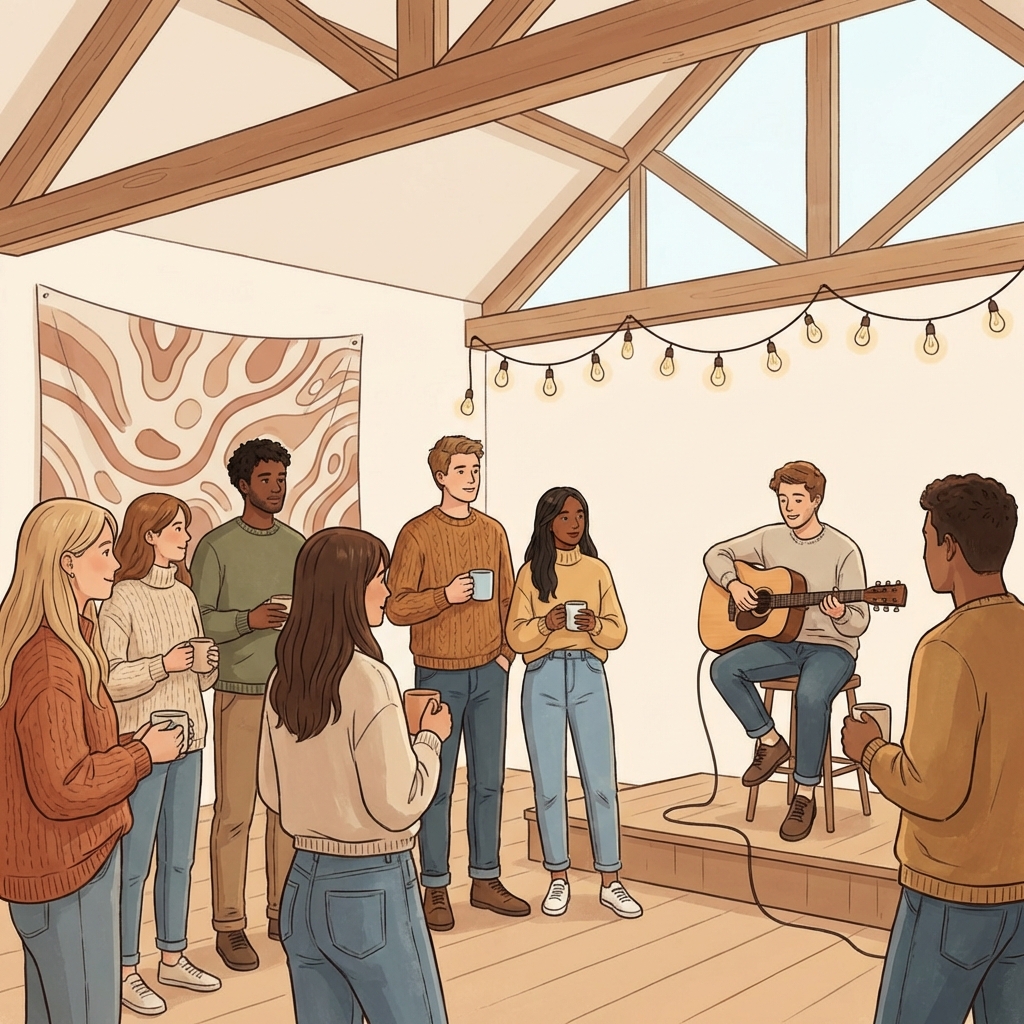
Ask Glaswegians about Edinburgh and you'll hear this: "Edinburgh is the capital, but Glasgow has the capital." It's more than rivalry—it's truth. Where Edinburgh trades on castle tourism and Festival polish, Glasgow offers something rawer: working-class pride, genuine creativity, music that changed the world, and world-class art for free.
The statistics surprise people: 633,000 residents (Scotland's largest city), over 20 galleries and museums (most free), 130+ music events weekly, £5.3 billion creative economy. But numbers miss Glasgow's essence: This is where Franz Ferdinand rehearsed in art school, where Charles Rennie Mackintosh created art nouveau masterpieces, where the "People Make Glasgow" slogan isn't marketing—it's identity.
Glasgow doesn't apologize for being rough around edges. The 1980s nearly destroyed it—unemployment peaked at 20%, shipyards closed, communities fractured. But Glasgow rebuilt through culture: 1990 European City of Culture (controversial choice then, vindicated since), UNESCO City of Music designation, and steady investment in arts infrastructure that rivals anywhere in UK.
This guide explores Glasgow beyond stereotypes: the shipbuilding legacy, music venues that launched global acts, Charles Rennie Mackintosh's architectural genius, and why Scotland's largest city demands your attention.
From Empire to Ashes to Renaissance
Second City of the Empire (1800s-1960s)
At its peak (1900s-1920s), Glasgow was Second City of the British Empire after London. The Clyde shipyards built one-third of the world's ships: ocean liners like the Queen Mary and Queen Elizabeth, warships that dominated seas, merchant vessels connecting continents.
The wealth was staggering: Victorian architecture rivaling Edinburgh, tobacco lords' mansions, engineering innovation that powered global industry. But wealth came with cost: slum tenements, child labor, brutal working conditions. Glasgow's working-class consciousness emerged from this contradiction—Red Clydeside (1910s-1920s) saw strikes, rent protests, socialist organizing that terrified the establishment.
Decline and Devastation (1960s-1990s)
1960s-1980s brutalized Glasgow: shipyards closed, heavy industry collapsed, unemployment soared. By 1980, Glasgow was Britain's most deprived major city. Violence, poverty, drugs—this was Glasgow's reputation. The "Glasgow smile" (razor gang cuts) became shorthand for urban decay.
But culture never died. Music scenes thrived in working men's clubs, art schools produced world-changing talent, community spirit survived economic devastation.
Cultural Renaissance (1990-Present)
1990 European City of Culture gambling paid off: £4 billion investment, refurbished galleries, regenerated neighborhoods, international attention. Glasgow positioned itself as cultural destination, not industrial relic.
2008 UNESCO City of Music recognition cemented reputation. Today, Glasgow hosts 130+ music gigs weekly, Celtic Connections (largest winter music festival), Merchant City Festival, Glasgow Film Festival.
Music City: From Postcard Records to King Tut's
Indie/Alternative Legacy
Glasgow punches monumentally above its weight musically. Why? Art schools (Glasgow School of Art produced countless musicians), community venues, working-class DIY ethos, and willingness to embrace weird.
Postcard Records (1979-1984) defined intelligent pop: Orange Juice, Josef K, Aztec Camera. Their influence echoes through indie music today.
Belle & Sebastian formed at Stow College (1996), creating literate chamber pop that conquered US college radio. Franz Ferdinand rehearsed at Glasgow School of Art before 2004 breakthrough. Mogwai pioneered post-rock from Glasgow basements.
King Tut's Wah Wah Hut: Where Oasis Was Discovered
1993: Unknown Manchester band Oasis played unsigned at King Tut's. Creation Records boss Alan McGee happened to be there. Six months later, Oasis had record deal. Within two years, they were biggest band in Britain.
King Tut's (opened 1990) remains Glasgow's most important small venue: 300 capacity, seven nights weekly, launching pad for emerging talent. Arctic Monkeys, Amy Winehouse, Biffy Clyro, The Killers—all played here on their rise.
The Barrowland Ballroom
Opened 1934 as dance hall, Barrowland (known as "Barrowlands") became Glasgow's most beloved concert venue. 1,900 capacity, sprung dance floor, neon sign visible across city, intimate despite size.
What makes Barrowland special? Acoustics, atmosphere, history. Every major band cites Barrowland shows as career highlights. Simple Minds, Oasis, Pulp, Arctic Monkeys, The Killers—all recorded live albums here.
Today's Scene
Glasgow's 2020s music scene thrives:
- TRNSMT Festival: 50,000 capacity, major international acts
- Sub Club: 30+ years, legendary techno nights
- Nice N Sleazy: Dive bar breeding ground for new bands
- SWG3: Warehouse venue, electronic/indie crossover
- The Hydro: 13,000 arena for massive tours
Art & Architecture: Mackintosh's City
Charles Rennie Mackintosh: Glasgow's Genius
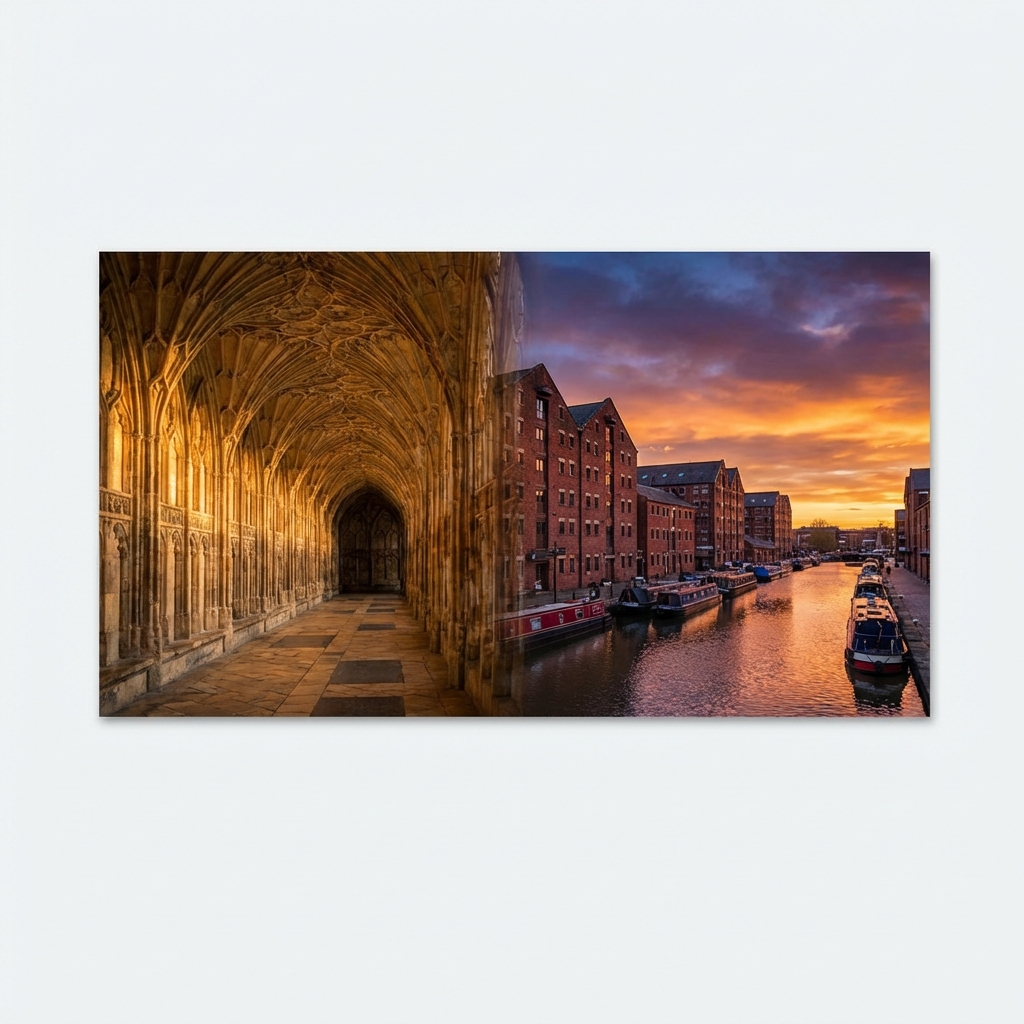
Charles Rennie Mackintosh (1868-1928) created Glasgow's visual identity. His art nouveau/Arts & Crafts fusion—geometric simplicity, organic forms, Japanese influence—defined a style.
Key Mackintosh sites:
- The Mackintosh at The Willow: Restored tearooms, stunning interiors
- House for an Art Lover: Built from 1901 competition drawings
- Scotland Street School Museum: Educational design masterpiece, FREE entry
- The Lighthouse: Scotland's Centre for Design & Architecture
- Glasgow School of Art: Mackintosh masterpiece (currently being restored after 2018 fire)
The Mackintosh Trail connects these sites—walking tour through Glasgow's architectural heritage.
Kelvingrove Art Gallery & Museum
Glasgow's crown jewel: FREE admission, 8,000+ objects, 22 galleries, 1.4 million annual visitors. Inside this beautiful Spanish Baroque Revival building (1901):
- Salvador Dalí's "Christ of Saint John of the Cross" (star attraction)
- Scottish Colourists: Peploe, Cadell, Hunter, Fergusson
- Natural history: Spitfire aircraft, Scottish wildlife
- Arms & armor: Impressive medieval collection
- Daily organ recitals (FREE, 1pm)
What makes Kelvingrove special? Accessibility—it's genuinely for everyone, not intimidating, encourages families.
Gallery of Modern Art (GoMA)
Inside the former Royal Exchange (1778), GoMA showcases contemporary art. FREE entry, thought-provoking exhibitions. Most famous for the Duke of Wellington statue outside—Glaswegians persistently place traffic cone on his head. Police remove it, locals replace it. It's become Glasgow's unofficial symbol: irreverent, funny, anti-establishment.
The Riverside Museum
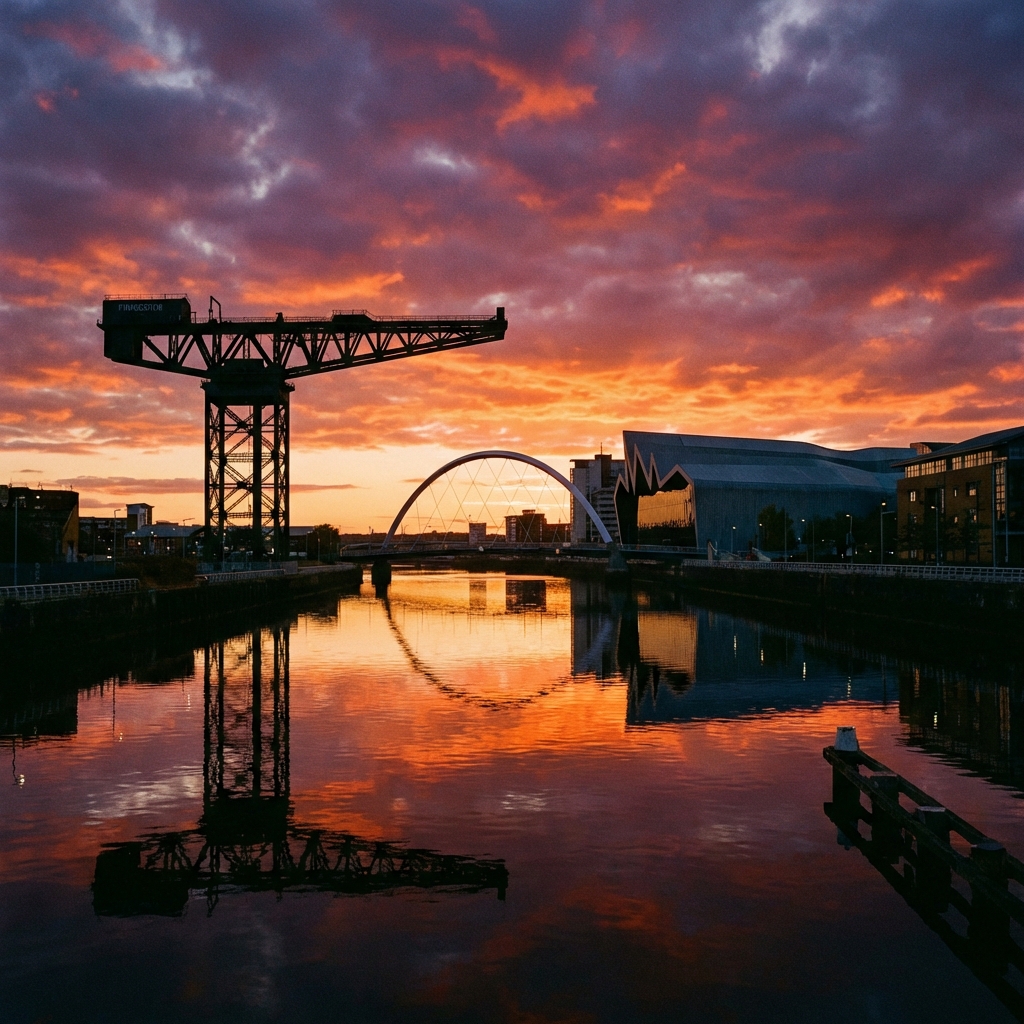
Zaha Hadid-designed transport museum (2011), FREE entry. Houses 3,000+ objects: trams, locomotives, cars, bicycles, ship models. The building itself—zigzag roofline, riverside location—is architectural landmark.
Moored outside: Tall Ship Glenlee (1896), one of five Clyde-built sailing ships still afloat.
Neighborhoods: Where to Explore
West End: Student Bohemia
University of Glasgow (founded 1451, fourth-oldest English-speaking university) anchors this leafy neighborhood. Byres Road = independent shops, cafes, bookstores. Ashton Lane = cobblestone alley, fairy lights, hidden bars, cinema.
Kelvingrove Park provides green space, skateboarding, outdoor events. This is Glasgow's most picturesque neighborhood—Victorian terraces, tree-lined streets, cultural vibrancy.
Merchant City: Regenerated Warehouses
Once warehouse district serving tobacco/textile trade, Merchant City transformed through 1980s-2000s regeneration. Now: converted lofts, upscale bars, galleries, weekend markets.
Highlights:
- The Barras: Weekend market (since 1921), antiques, vintage, chaos
- City Halls: Concert venue, beautiful interiors
- Independent cafes/bars: Stereo, Brel, The 13th Note
Finnieston: Hipster Central
Former shipbuilding area reinvented as Glasgow's trendiest neighborhood. The Finnieston Crane (giant cantilever crane, once lifted locomotives onto ships) dominates skyline—industrial monument turned symbol.
Below: restaurants, cocktail bars, breweries. Argyle Street corridor nicknamed "strip"—gin bars, craft beer, street food.
Food & Drink: From Chippy to Fine Dining
Traditional Glasgow
- Fish & chips: University Cafe (deep-fried Mars bar originated here, allegedly)
- Irn-Bru: Scotland's "other national drink," sugary orange soda
- Scotch pies: Meat pies from bakers
- Full Scottish breakfast: Square Lorne sausage, tattoo scone, black pudding
Modern Scene
Glasgow's restaurant renaissance:
- Cail Bruich (⭐ Michelin): Modern Scottish fine dining
- Ox and Finch: Small plates, buzzing atmosphere
- The Gannet: Seasonal Scottish ingredients
- Ubiquitous Chip: Institution since 1971, courtyard dining
Whisky & Craft Beer
Glasgow whisky bars showcase Scotland's national spirit: The Pot Still (700+ whiskies), Ben Nevis Bar (cheap prices, good selection).
Craft beer scene exploded: Drygate Brewery, West Brewery, Shilling Brewing Co—converted industrial spaces serving innovative brews.
Getting There & Around
Train: Glasgow Central (4.5 hours from London, 50 mins from Edinburgh, 3 hours from Inverness)
Airport: Glasgow International (8 miles west, bus to city center 20 mins), Glasgow Prestwick
Local transport:
- Subway: "Clockwork Orange" (only 15 stations, circulates city center), £1.75 single
- Buses: Extensive network, £2.50 day ticket
- Walking: Most attractions within walkable city center
- Cycling: Nextbike scheme, improving infrastructure
Practical Tips
- Accent: Glaswegian accent is famously thick—don't be embarrassed to ask people to repeat
- Weather: Bring waterproof jacket always (Glasgow gets 170 rainy days/year)
- Free museums: Almost all major museums FREE—huge advantage
- Avoid: Old Firm football weekends (Celtic vs Rangers) unless you want chaos
- Budget: Street food £5-10, pub meal £12-18, fine dining £60-100
- Local slang: "Aye" = yes, "Wee" = small, "Banter" = friendly teasing
Why Glasgow Matters
Edinburgh gets the tourists, the Instagram posts, the romantic reputation. Glasgow gets overlooked—which is exactly how Glaswegians prefer it. This isn't a city performing for visitors; it's a city living authentically.
What makes Glasgow essential? Working-class creativity that invents genres and movements, world-class art accessible to everyone, music scenes that break global acts, architectural genius preserved and celebrated, and genuine warmth that defies stereotypes about Scottish reserve.
Glasgow survived empire's collapse, industrial devastation, and economic ruin through one thing: culture. Not top-down investment or government plans—grassroots creativity, community pride, refusal to accept defeat.
Visit for the music, the art, the architecture. Stay because people make Glasgow—and they mean it.
References & Resources
Essential websites:
- People Make Glasgow: Official tourism site
- Glasgow Life: Museums, venues, events
- Charles Rennie Mackintosh Society
Music & Culture:
- King Tut's Wah Wah Hut
- Barrowland Ballroom
- Sub Club: Legendary nightclub
- Celtic Connections Festival
Museums & Galleries:
Transport:
Ruth Naomi
Community & Lifestyle LeadRuth is passionate about uncovering the stories that connect communities and celebrate local culture.