Standedge Tunnel Visitor Centre
About
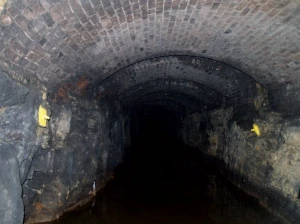
Standedge Tunnel stands as one of the most remarkable engineering achievements of the Industrial Revolution—the highest, longest, and deepest canal tunnel in Britain. Carved through 3.25 miles of solid Pennine rock between 1794 and 1811, this extraordinary feat required 17 years of dangerous construction work, with miners working by candlelight in treacherous conditions where cave-ins and flooding were constant threats. The tunnel reaches 645 feet above sea level and burrows 195 feet underground, connecting Yorkshire and Lancashire through what was once considered an impossible geographical barrier. Originally, boats were 'legged' through the narrow bore by men lying on their backs pushing against the tunnel walls—a journey that took three hours in complete darkness. The visitor center, housed in a beautifully restored canal-side building, tells the remarkable story of the 'navvies' who carved this underground highway through the backbone of England, creating a vital commercial link that transformed trade between the industrial centers of Manchester and Huddersfield.
Heritage
Historic Canal Network
Britain's inland waterways represent one of the world's greatest industrial achievements, connecting cities and countryside through an intricate network of locks, aqueducts, and tunnels. These man-made rivers transformed commerce, enabling the transport of heavy goods like coal, pottery, and textiles across the nation. Today, these peaceful corridors offer a unique window into industrial heritage, where Victorian engineering meets modern leisure boating and towpath walking.