Wild Swimming: A Beginner's Guide to Cold Water Therapy

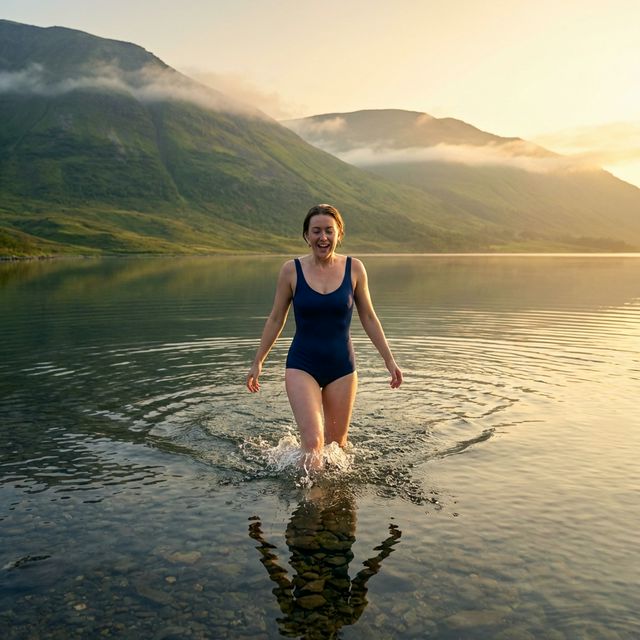
The Shock, The Rush, The Transformation
The first time you enter cold water—truly cold water, not a chilly swimming pool—your body screams at you to get out. Your breath catches. Your skin prickles. Every nerve fires in protest. This is madness, your brain insists. Get out. Get warm. Survive.
But if you stay—just a minute, then two, then three—something extraordinary happens. The initial shock fades. Your breathing steadies. Endorphins flood your system. Your mind clears. And suddenly, you're not cold anymore. You're alive. Intensely, vibrantly, undeniably alive.
This is wild swimming—and it's transforming lives across the UK. In 2023, an estimated 7.5 million Britons swam outdoors regularly, up from 3.8 million in 2019. Wild swimming groups, cold water therapy communities, and open water events are booming. What was once a niche hobby for hardy souls has become a mainstream wellness movement.
This guide will introduce you to wild swimming, explain the science behind cold water therapy, teach you how to start safely, and reveal the UK's best wild swimming spots—including hidden gems in the North.
What Is Wild Swimming?
Wild swimming is swimming in natural outdoor water: rivers, lakes, tarns, seas, and waterfalls. Unlike pool swimming, wild swimming is unpredictable—water temperature fluctuates, currents shift, and conditions change daily.
This unpredictability is part of the appeal. Wild swimming connects you to nature, challenges your body, and demands presence. You can't zone out or swim on autopilot—you must be fully engaged.
The Science of Cold Water Therapy
The Physiological Response
When you enter cold water (below 15°C), your body undergoes immediate changes:
1. Cold Shock Response (0-3 minutes)
- Rapid breathing (gasping)
- Increased heart rate
- Blood vessels constrict (vasoconstriction)
- Adrenaline surge
This is the danger zone—panic can cause hyperventilation or drowning. Controlled breathing and gradual acclimatization are essential.
2. Adaptation (3-10 minutes)
- Breathing normalizes
- Body adjusts to temperature
- Endorphins release (the "swimmer's high")
- Mental clarity increases
3. Post-Swim Glow (10 minutes - several hours)
- Euphoria and well-being
- Improved mood
- Enhanced focus
- Sense of accomplishment
Health Benefits (Evidence-Based)
Improved Circulation
Cold water forces blood to vital organs, then flushes back to extremities upon warming. This "vascular gymnastics" strengthens circulation. A 2020 study in the International Journal of Environmental Research and Public Health found regular cold water swimmers had 29% better circulation than non-swimmers.
Enhanced Immune Function
Research from the Netherlands (2016) showed that cold water exposure increased white blood cell count and reduced sick days by 29%. The stress of cold water may "train" the immune system to respond more effectively.
Mental Health Benefits
A 2018 case study published in BMJ Case Reports documented a woman with severe depression who achieved remission through weekly cold water swimming. Subsequent studies have shown cold water swimming reduces anxiety, improves mood, and enhances resilience.
Reduced Inflammation
Cold water immersion reduces inflammation markers (C-reactive protein, interleukin-6). Athletes use ice baths for recovery; wild swimmers get the same benefits naturally.
Increased Brown Fat
Regular cold exposure increases brown adipose tissue (brown fat), which burns calories to generate heat. This may improve metabolism and aid weight management.
Stress Resilience
Voluntary cold exposure trains your stress response. If you can handle cold water, daily stressors feel more manageable. This is "hormetic stress"—beneficial stress that strengthens you.
Safety First: Essential Rules
1. Never Swim Alone
This is the golden rule. Cold water can cause cold shock, hypothermia, or cramps. Having someone with you could save your life. Join a group, bring a friend, or swim at supervised locations.
2. Acclimatize Gradually
Don't jump straight into winter swimming. Start in summer or autumn when water is warmer (15-20°C). As seasons change, your body adapts. Rushing the process risks cold shock or hypothermia.
Beginner timeline:
- Week 1-2: Ankle-deep wading, 2-3 minutes
- Week 3-4: Waist-deep immersion, 3-5 minutes
- Week 5-6: Full immersion, 5-10 minutes
- Month 2+: Gradually extend time as comfortable
3. Know the Water Temperature
15-20°C: Refreshing, suitable for beginners, 10-30 minutes safe
10-15°C: Cold, requires acclimatization, 5-15 minutes recommended
5-10°C: Very cold, experienced swimmers only, 2-10 minutes
Below 5°C: Extreme cold, expert swimmers only, 1-5 minutes maximum
Use a waterproof thermometer or check local wild swimming groups for temperature reports.
4. Warm Up Properly Afterward
The "Afterdrop": Your core temperature continues to drop for 10-30 minutes after exiting cold water as cold blood from extremities returns to your core. This can cause shivering, confusion, or fainting.
Safe warming protocol:
- Get out of wet clothes immediately
- Dry off thoroughly (bring multiple towels)
- Layer up: base layer, fleece, coat, hat, gloves
- Drink hot (not scalding) beverages
- Eat something sugary (biscuits, chocolate) for quick energy
- Move gently (walk, don't run) to generate heat
- Never: Hot showers immediately (can cause fainting), alcohol (dilates blood vessels, worsening afterdrop)
5. Check Water Quality
Not all water is safe to swim in. Check:
- Surfers Against Sewage: Water quality reports for UK beaches and rivers
- Environment Agency: Bathing water quality ratings
- Local groups: Wild swimming communities share real-time conditions
Avoid swimming after heavy rain (runoff increases pollution) or near sewage outflows.
6. Understand Currents and Hazards
- Rivers: Currents can be stronger than they appear; swim upstream first so you drift back
- Seas: Beware rip currents, tides, and waves
- Lakes: Generally safer but check for underwater hazards (rocks, weeds)
- Weir pools: Avoid—dangerous recirculating currents can trap swimmers
7. Wear a Bright Swim Cap
Bright orange or pink caps make you visible to boats, kayakers, and other water users. Many wild swimming groups require them.
8. Use a Tow Float
A brightly colored inflatable tow float (£15-25) provides:
- Visibility to boats and other swimmers
- Flotation if you need to rest
- Dry storage for keys, phone, snacks
Essential Gear
Swimwear
Summer (15-20°C): Regular swimsuit or trunks
Autumn/Spring (10-15°C): Consider a neoprene swim cap or gloves
Winter (below 10°C): Wetsuit (3-5mm), neoprene gloves, boots, and cap
Wetsuit vs. Skins:
- Skins (no wetsuit): Maximum cold exposure, full sensory experience, requires gradual acclimatization
- Wetsuit: Extends swim time, reduces cold shock, good for beginners or very cold water
Other Essentials
- Microfiber towel: Quick-drying, compact
- Changing robe/dryrobe: £40-150, warm, waterproof, essential for post-swim changing
- Woolly hat: You lose 40% of body heat through your head
- Gloves and thick socks: For getting dressed with cold hands
- Thermos: Hot tea or soup for warming up
- Waterproof bag: For wet clothes
- Tow float: Visibility and safety
Best Wild Swimming Spots in the North
Yorkshire Dales
Aysgarth Falls
Location: Near Leyburn, North Yorkshire
Type: River pools below waterfalls
Difficulty: Moderate (rocky entry, currents)
Best for: Scenic swimming, photography
Facilities: Car park, cafe nearby
Janet's Foss
Location: Near Malham, North Yorkshire
Type: Waterfall pool
Difficulty: Easy (shallow, calm)
Best for: Beginners, families
Facilities: Short walk from car park
Gordale Scar
Location: Near Malham, North Yorkshire
Type: Dramatic gorge pool
Difficulty: Moderate (cold, deep)
Best for: Adventurous swimmers, stunning scenery
Facilities: 15-minute walk from car park
Lake District
Buttermere
Location: Near Keswick, Cumbria
Type: Mountain lake
Difficulty: Moderate (cold, deep, but calm)
Best for: Scenic swims, mountain views
Facilities: Car park, village nearby
Rydal Water
Location: Near Ambleside, Cumbria
Type: Lake
Difficulty: Easy (accessible, calm)
Best for: Beginners, families
Facilities: Car park, easy access
Wastwater
Location: Wasdale, Cumbria
Type: England's deepest lake
Difficulty: Advanced (very cold, deep, remote)
Best for: Experienced swimmers, dramatic scenery
Facilities: Limited; remote location
Peak District
Padley Gorge
Location: Near Grindleford, Derbyshire
Type: River pools
Difficulty: Easy to moderate
Best for: Summer swimming, woodland setting
Facilities: Car park, short walk
Lathkill Dale
Location: Near Bakewell, Derbyshire
Type: River
Difficulty: Easy (shallow, gentle)
Best for: Beginners, nature lovers
Facilities: Car park, walking trails
Northumberland
Druridge Bay
Location: Northumberland Coast
Type: Beach and sea
Difficulty: Moderate (waves, tides)
Best for: Sea swimming, long beach
Facilities: Car park, cafe
Kielder Water
Location: Kielder Forest, Northumberland
Type: Reservoir
Difficulty: Easy to moderate
Best for: Calm water, forest setting
Facilities: Visitor center, designated swimming areas
Urban Swimming
Salford Quays (Manchester)
Type: Organized open water swimming
Difficulty: Easy (supervised, calm)
Best for: Beginners, urban swimmers
Facilities: Changing rooms, lifeguards (during events)
Roundhay Park Lake (Leeds)
Type: Park lake
Difficulty: Easy (calm, accessible)
Best for: Urban wild swimming
Facilities: Park amenities, cafe
Joining a Wild Swimming Community
Why Join a Group?
- Safety: Never swim alone
- Knowledge: Learn from experienced swimmers
- Motivation: Regular swims, accountability
- Social connection: Meet like-minded people
- Local expertise: Discover hidden spots, get water quality updates
Finding Groups
Online:
- Outdoor Swimming Society: UK's largest wild swimming community, local groups nationwide
- Facebook: Search "[Your City] Wild Swimming" or "Cold Water Swimming [Region]"
- Meetup.com: Local wild swimming meetups
Organized Swims:
- Love Open Water: Organized lake swims across the UK
- Swim The Lakes: Lake District open water swimming events
- Local lidos and outdoor pools: Many offer open water swimming clubs
Building Your Wild Swimming Practice
Start in Summer
Begin when water is warmest (July-September, 15-20°C). This allows gradual acclimatization as temperatures drop into autumn and winter.
Swim Regularly
Consistency is key. Aim for 1-2 swims per week. Your body adapts to cold exposure over time—sporadic swimming resets your acclimatization.
Listen to Your Body
If you're shivering uncontrollably, struggling to breathe, or feeling faint—get out. There's no shame in short swims. Even 2-3 minutes provides benefits.
Set Personal Goals (Not Competitive Ones)
Wild swimming isn't about distance or speed. Set goals like:
- "Swim once a week all year"
- "Try five new locations"
- "Swim in every season"
Embrace the Ritual
Create a pre- and post-swim routine:
- Before: Breathing exercises, gentle warm-up, intention-setting
- After: Warm clothes, hot drink, reflection or journaling
Resources and Further Reading
- Outdoor Swimming Society - UK's largest wild swimming community
- Wild Swimming - Locations, guides, and maps
- Surfers Against Sewage - Water quality reports
- Book: Wild Swimming by Daniel Start - Comprehensive UK wild swimming guide
- Book: The Outdoor Swimmers' Handbook by Kate Rew - Practical advice and inspiration
Final Thoughts: The Cold Water Cure
Wild swimming isn't for everyone—and that's okay. It's cold, uncomfortable, and requires effort. But for those who embrace it, wild swimming becomes more than exercise. It's therapy, meditation, and community.
In cold water, you can't think about work deadlines, relationship drama, or tomorrow's to-do list. You can only be present—breath by breath, stroke by stroke. This forced presence is the antidote to our distracted, anxious age.
Wild swimming also connects you to nature in a way few activities can. You're not observing nature from a distance—you're immersed in it, literally. You feel the seasons change, notice water temperature shifts, and witness wildlife up close.
And the community—oh, the community. Wild swimmers are some of the warmest, most welcoming people you'll meet. There's something about shared vulnerability (standing half-naked in freezing water) that breaks down social barriers. Strangers become friends. Friends become family.
So if you're curious, start small. Find a local group. Wade in ankle-deep. Feel the cold. Breathe through the shock. Stay a little longer each time.
And one day, you'll realize: you're not just swimming. You're healing, connecting, and discovering a strength you didn't know you had.
The water is cold. The water is wild. And the water is waiting.
Welcome to wild swimming. Your transformation begins now.
Ruth Naomi
Community & Lifestyle LeadAn expert contributor to the Social for Life community, sharing insights on health and beyond.